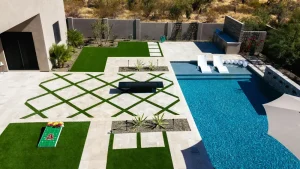
A lot of Valley homeowners want turf and stop right there. They picture a violation letter from the HOA before they ever picture the finished yard.
That fear shows up constantly in planned communities across Anthem, Surprise, Queen Creek, and Sun City. It also happens to be mostly outdated.
Our crew has installed turf in HOA communities all over the Valley. The approval process trips people up far more than the installation itself. Homeowners assume a fight, submit nothing, and stay stuck with a thirsty lawn out of caution alone.
What Arizona law actually says
The Short Answer: Arizona Law Protects Your Right to Install Turf
Arizona homeowners got real protection here back in 2022. Under Arizona Revised Statutes § 33-1819, HOAs generally cannot ban turf on a lot where natural grass is allowed.
This law has been in place for a few years now. Plenty of homeowners, and even a few HOA boards, still are not fully aware of it.
One distinction worth making clearly. This statute governs private HOA rules. It is separate from Scottsdale’s city ordinance banning new natural grass in front yards. We covered that separate policy in our post on the Scottsdale grass ban. Different law, different scope, easy to mix up.
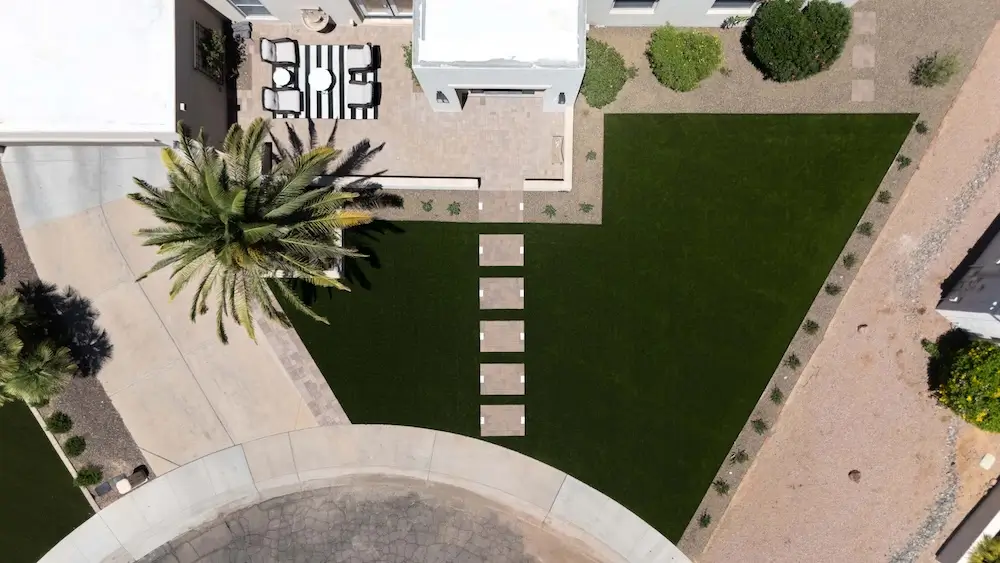
What Your HOA Can Still Control
The law protects your right to install turf. It does not remove your HOA’s say over how that turf looks once it is in.
Boards can typically still set reasonable rules covering the following.
- Appearance standards. Color, blade length, and overall quality often need to read as natural, not artificial.
- Installation requirements. Proper drainage and clean edging are common conditions tied to approval.
- Common areas. Some communities have the HOA maintain and irrigate certain front yards directly. Turf there can still require separate approval.
- Existing grass bans. If your HOA already prohibits new natural grass, it can typically restrict new artificial turf too. It generally cannot stop you from converting grass you already have.
Your community’s specific rules live in its CC&Rs, short for Covenants, Conditions, and Restrictions. Every HOA member agrees to this governing document. Reading yours before you submit a project saves real time later.
This post shares general information, not legal advice. Your specific CC&Rs and local city ordinances can add wrinkles the state law does not cover.
Why This Matters More in Some Valley Communities Than Others
HOA involvement varies a lot across the Valley. Master planned communities like Anthem and age restricted communities like Sun City tend to run more active architectural review.
Custom home areas around Cave Creek, Carefree, and much of Paradise Valley often carry lighter oversight by comparison. Larger lots and fewer shared amenities tend to mean fewer architectural review layers to navigate.
Newer developments across Queen Creek, Goodyear, and Surprise frequently land somewhere in between. It often depends on when the community was built and how its CC&Rs were written.
Even within Phoenix, Chandler, and Gilbert, rules can shift block to block once you cross into a different HOA. There is no single Valley-wide standard, which is exactly why homeowners get confused. Check our Areas We Serve page to see the communities we already work in regularly.
How to Get Your Turf Project Approved Without the Back and Forth
Most approval delays trace back to missing paperwork, not to the HOA disliking turf itself. A few steps typically speed things up.
- Pull your CC&Rs first. Look specifically for landscaping and architectural review sections before you plan anything else.
- Submit through the architectural review committee, often shortened to ARC. This is the board group that reviews exterior changes before work begins. Skipping this step is the single most common reason a project stalls.
- Include product specs up front. Boards often want face weight, pile height, and color options before installation, not after.
- Reference the statute if you hit resistance. A polite, factual citation of A.R.S. § 33-1819 resolves plenty of disputes before they escalate further.

What If Your HOA Still Pushes Back?
Occasionally a board denies a request anyway, sometimes out of habit rather than actual authority. A calm, documented follow up usually works better than an argument at a meeting.
Put your request in writing if you have not already. Reference the specific statute and ask the board to cite which rule justifies their denial. Most boards reconsider once the law is spelled out plainly.
If a board still refuses without a clear reason, a short consultation is often worth it. A real estate attorney familiar with Arizona HOA law can usually help quickly. Many disputes resolve after a single formal letter.
What We Typically Provide for HOA Submissions
We put together HOA packets for homeowners on a regular basis. A typical submission includes product spec sheets, color samples, and a basic install plan the board can review quickly.
Our artificial turf systems get chosen partly because they photograph and read as natural on paper. That detail matters to a review committee working from a printed packet instead of your actual backyard.
We also stay current on drainage and edging standards that many Valley HOAs expect to see. Getting that right the first time typically means one submission instead of three rounds of revisions.
Ready to Get Your Yard HOA Approved?
Arizona law is largely on your side here. The paperwork just has to be done right from the start.
Worried your community will push back anyway? A conversation with our team costs nothing. We have walked this process with HOA boards across Phoenix, Scottsdale, Chandler, and communities well beyond them.
If cost is part of your hesitation alongside the paperwork, we also offer financing options. It can make the whole switch easier to plan around.
Request your free quote today. Let’s get your turf project approved and installed without the runaround.